
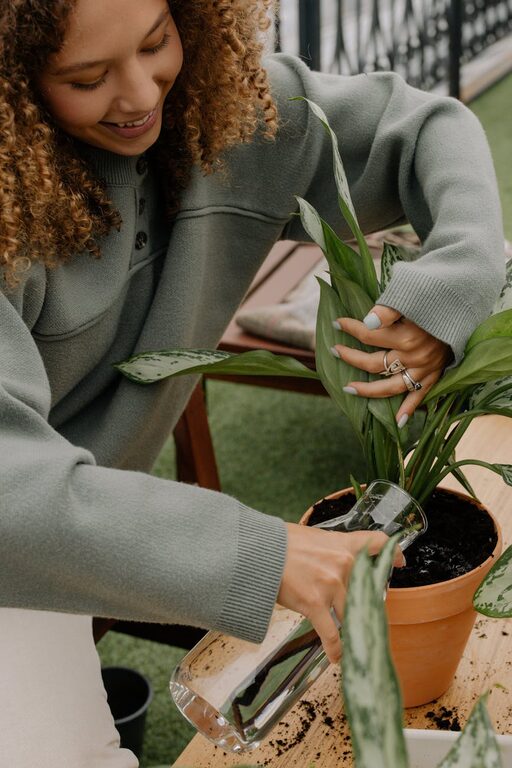
Bringing houseplants into your living space is a wonderful way to add life and color to your home. Not only do they enhance your decor, but many indoor plants also improve air quality and boost your mood. However, keeping houseplants healthy can sometimes be a challenge, especially for beginners. With the right care and attention, your plants will thrive and continue to brighten your home. In this blog post, we’ll share essential tips to maintain healthy, happy indoor plants.
Understanding Your Houseplant’s Needs
Every plant species has unique requirements when it comes to light, water, soil, and temperature. Before bringing a new plant home, take a moment to learn about its specific needs to provide the best environment.
Light Requirements
Light is one of the most important factors in plant health. Houseplants generally fall into three categories based on their light requirements:
– Bright light: Direct sunlight, usually near a south- or west-facing window.
– Indirect light: Bright but filtered light, often near an east-facing window or a few feet away from a sunny window.
– Low light: Areas away from windows or rooms with minimal natural light.
Place each plant according to its preferred light level to prevent issues like leaf discoloration, leggy growth, or leaf drop.
Watering Wisely
Overwatering and underwatering are common reasons houseplants struggle. The key is to find the right balance.
– Check the soil moisture: Before watering, stick your finger about an inch into the soil. If it feels dry, it’s time to water.
– Water thoroughly: When watering, soak the soil evenly until extra water drains from the bottom of the pot.
– Use appropriate pots: Ensure your pots have drainage holes to avoid waterlogging roots.
Keep in mind, watering frequency varies by species, season, and indoor conditions like humidity and temperature.
Choosing the Right Soil and Pot
Not all soil is created equal. Using a well-draining potting mix designed for indoor plants helps roots breathe and prevents root rot. Additionally, selecting a pot with drainage holes is essential to avoid water buildup.
Maintaining Ideal Temperature and Humidity
Indoor plants generally prefer temperatures between 65-75°F (18-24°C). Avoid placing plants near drafty windows, heating vents, or air conditioners, which can cause stress and damage.
Most houseplants also appreciate moderate to high humidity. If your home tends to be dry, especially in winter, consider using a humidifier or placing a water tray with pebbles beneath your pots to increase local humidity. Grouping plants together can also create a microenvironment with higher humidity.
Regular Feeding and Fertilization
Indoor plants require nutrients to grow healthy foliage and roots. During the active growing season (spring and summer), feed your plants using a balanced, water-soluble fertilizer every 4-6 weeks. Reduce or stop fertilizing during the dormant period, usually fall and winter.
Be careful not to over-fertilize, as excess nutrients can harm plants and cause leaf burn.
Pruning, Cleaning, and Repotting
Pruning for Growth
Trim dead, yellowing, or damaged leaves to encourage new growth and maintain a neat appearance. For some plants, shaping by trimming leggy stems promotes fuller growth.
Cleaning Leaves
Dust can block light absorption, so gently wipe leaves with a damp cloth every few weeks. For plants with fuzzy or delicate leaves, use a soft brush instead.
Repotting When Needed
As plants grow, their roots can become cramped. Repot your houseplants every 1-2 years or when roots begin to show through drainage holes. Choose a pot one or two sizes larger and refresh the potting soil to provide fresh nutrients.
Monitoring for Pests and Diseases
Indoor plants are susceptible to pests like spider mites, aphids, and mealybugs. Regularly inspect your plants for signs of pests such as tiny webs, sticky residue, or discolored leaves.
If pests are found, isolate the affected plant to prevent spreading. Treat infestations promptly using insecticidal soap, neem oil, or natural remedies recommended for houseplants.
Disease prevention starts with good plant hygiene. Avoid overwatering, ensure adequate airflow, and remove fallen leaves promptly.
Additional Tips for Happy Houseplants
– Rotate plants occasionally to encourage even growth and exposure to light.
– Use a moisture meter if you’re uncertain about watering needs.
– Learn about your specific plant’s growth habits and adjust care accordingly.
– Avoid sudden changes in environment to prevent stress.
– Keep pets in mind; some houseplants are toxic to cats and dogs.
Conclusion
Caring for houseplants is a fulfilling hobby that adds beauty and vitality to your home. By understanding their needs for light, water, nutrients, and environment, you can create the perfect conditions for your plants to flourish. Remember to observe your plants regularly and adjust care based on their responses. With patience and attention, your indoor garden can thrive for years to come. Happy planting!