
Bringing houseplants into your living space can brighten up your home, improve air quality, and even boost your mood. However, keeping these green companions healthy often requires understanding their unique needs. Whether you’re cultivating a small collection or a lush indoor garden, these tips will help your houseplants thrive.
Understanding Your Houseplant’s Basics
Every plant species has its own requirements, but most houseplants need the right balance of light, water, humidity, and nutrition. Learning about your specific plant type is the first step in successful care.
Choosing the Right Location
– Light: Most houseplants thrive in bright, indirect sunlight. Some varieties prefer low light, while others may tolerate direct sun. Check your plant’s light preferences and place it accordingly.
– Temperature: Keep plants away from drafts, heaters, or air conditioners that cause temperature fluctuations. Most houseplants prefer temperatures between 65°F and 75°F (18°C – 24°C).
Watering: Less is Often More
One of the most common mistakes in plant care is overwatering. Here’s how to water correctly:
– Check soil moisture: Before watering, stick your finger about an inch into the soil. If it feels dry, it’s time to water.
– Water thoroughly: When you water, do so until excess drains from the bottom of the pot. This ensures the roots receive even moisture.
– Drainage: Use pots with drainage holes to avoid water accumulation, which can lead to root rot.
Maintaining Proper Humidity
Many houseplants originate from tropical environments that require higher humidity levels.
– Increase humidity: Use a humidifier, place a tray of water near plants, or group plants together to create a microclimate.
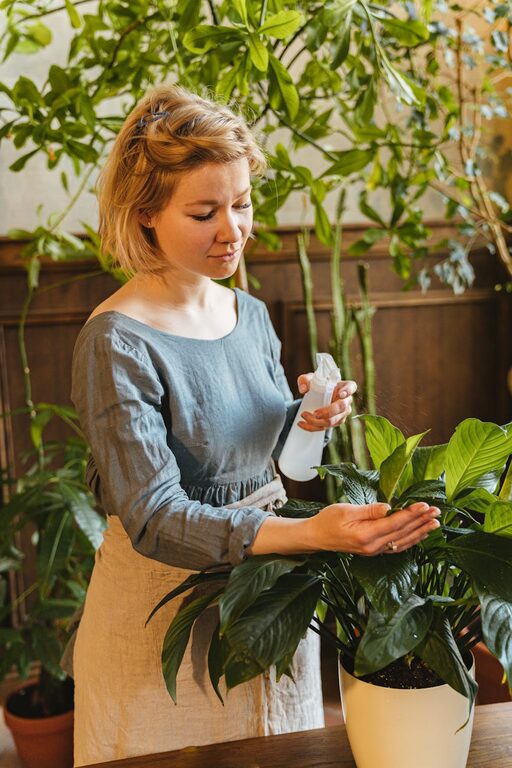
– Misting: Occasionally mist the leaves, but avoid soaking to prevent fungal issues.
Feeding Your Plants: Fertilization Guidelines
Plants need nutrients to grow well:
– Use balanced fertilizers: A balanced, water-soluble fertilizer is usually sufficient. Follow package instructions carefully to avoid over-fertilization.
– Feeding schedule: Fertilize during the active growing seasons (spring and summer) and reduce or stop feeding in the dormant months (fall and winter).
Pruning and Cleaning: Keeping Plants Neat and Healthy
Regular grooming encourages growth and prevents issues:
– Remove dead leaves: Trim yellow or brown leaves to prevent pests and diseases.
– Pinch back growth: Pinching new growth helps maintain shape and promotes bushier plants.
– Clean leaves: Dust can block sunlight, so gently wipe leaves with a damp cloth every few weeks.
Monitoring for Pests and Diseases
Healthy plants are less susceptible to pests, but vigilance is key:
– Inspect regularly: Check leaves’ undersides and soil for pests like spider mites, aphids, or mealybugs.
– Natural treatments: Use insecticidal soap or neem oil for minor infestations.
– Isolation: Quarantine new or affected plants to prevent spread.
Repotting and Soil Care
Plants outgrow their pots and need fresh soil:
– Frequency: Most houseplants benefit from repotting every 1-2 years.
– Pot size: Choose a pot 1-2 inches larger in diameter to avoid overpotting.
– Soil choice: Use high-quality potting mix appropriate for your plant type to ensure good drainage and aeration.
Additional Tips for Specific Plant Types
Different plants may demand special care:
– Succulents and cacti: Require less water and lots of bright light.
– Tropical plants: Prefer higher humidity and warmth.
– Ferns: Enjoy consistently moist soil and indirect light.
Final Thoughts
Keeping houseplants healthy is rewarding and helps create a serene living space. Pay attention to their needs, adjust care as needed, and don’t be discouraged by occasional setbacks. With these tips, your indoor garden will flourish and bring joy for years to come. Happy planting!