
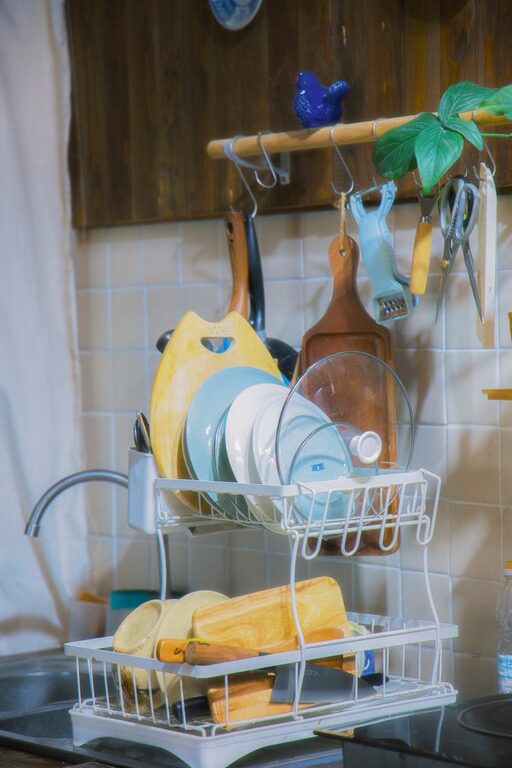
Preparing and enjoying a homemade dinner is one of life’s simple pleasures. Yet, the task that follows—cleaning up—can often feel like a dreaded chore. Whether you’re cooking for yourself or a family, an efficient cleanup routine makes a big difference. Happily, with a few smart strategies and small changes, you can make dinner cleanup easier and more manageable. Here are some helpful ideas to get you started.
Plan Ahead for Easier Cleanup
Use Fewer Dishes and Tools
One of the main reasons dinner cleanup takes forever is the number of dishes and utensils used. Aim to prepare meals that require fewer pots and pans. For example:
– One-pot dishes like casseroles, stir-fries, or soups
– Sheet pan meals where everything cooks together
– Simple salads with no extra bowls
By cooking meals that need fewer containers, you reduce washing time dramatically.
Prep Ingredients in Advance
When you chop, measure, and prepare ingredients before cooking, you’re less likely to create a mess during cooking. Using prep bowls keeps ingredients organized and minimizes spills.
During Cooking: Clean As You Go
Wash or Soak Used Tools Immediately
Rather than letting dirty dishes pile up, take a few minutes every now and then while cooking to wash or soak pots, pans, and utensils. For example, soak cutting boards or bowls as soon as you finish using them; this prevents food from sticking, making washing easier later.
Wipe Surfaces Frequently
Keep a damp cloth or sponge nearby and wipe up spills and splatters as they happen. Cleaning stovetops, counters, and table surfaces right away means you won’t have to tackle stubborn stains later.
Organize Trash and Recycling
Keep a trash bowl or bin nearby so you can immediately discard peels, packaging, and scraps. This prevents clutter and makes disposal efficient.
After Dinner: Streamline Your Cleanup Routine
Clear the Table Right Away
Once everyone finishes eating, clear plates, glasses, and utensils promptly. This avoids food drying and sticking to dishes, which takes more effort to clean. Encourage everyone to clear their own plates if possible — it speeds up the process and involves the whole family.
Soak and Stack
Fill pots, pans, and serving dishes with warm soapy water and let them soak while you handle other tasks. Stack dishes efficiently in the sink or dishwasher to optimize drying and washing.
Use a Dishwasher Effectively
If you have a dishwasher, scrape off large food bits before loading but don’t rinse dishes completely. Modern dishwashers clean best with a bit of food residue. Arrange dishes to allow water flow and prevent nesting of bowls or cups.
Wash Glassware and Utensils by Hand
Glassware and delicate utensils often do better with a hand wash to avoid water spots or damage. Use warm soapy water and a soft sponge to clean them quickly.
Adopt Helpful Tools and Products
Invest in Good Kitchen Tools
High-quality non-stick pans, scrape-friendly utensils, and cutting boards that withstand scratching are easier to clean than lower-grade items. Durable sponges, scrubbers, and brushes can also speed up washing.
Use Liners and Foil
For baked dishes, lining pans with parchment paper or aluminum foil reduces scrubbing time. You can simply lift out the foil and toss it after cooking.
Keep Cleaning Supplies Handy
Store dish soap, sponges, and microfiber cloths within easy reach of the sink. Having what you need close by encourages prompt cleanup.
Involve the Whole Household
Make Cleanup a Team Effort
Even small kids can help by clearing their plates or wiping the table. Creating a cleanup routine where everyone pitches in makes the task faster and less of a burden on one person.
Establish a Cleanup Time
Set aside 10 to 15 minutes after dinner solely for cleanup. Turning it into a family habit or a quick routine keeps the kitchen tidy and prevents clutter from building up.
Additional Tips for Maintaining a Clean Kitchen
Daily Quick Cleanups
Spend a few minutes each day wiping counters, sink areas, and the stovetop to prevent grease and food buildup. Regular light cleaning saves time during your post-dinner routine.
Use a Garbage Disposal
If your kitchen has a garbage disposal unit, use it for small food scraps rather than the trash. It reduces waste and keeps your trash can cleaner.
Store Food Properly Right After Cooking
Use airtight containers to store leftovers immediately. Clearing food off counters and tables reduces clutter and prevents attracting pests.
—
Dinner cleanup doesn’t have to be a tiresome, time-consuming ordeal. By adopting these simple tips—planning meals wisely, cleaning as you cook, using helpful tools, and sharing responsibilities—you can transform your kitchen cleanup time into a smooth, manageable part of your evening. Try incorporating these ideas and watch your post-dinner routine become quicker and less stressful, giving you more time to relax and enjoy your day’s achievements.