
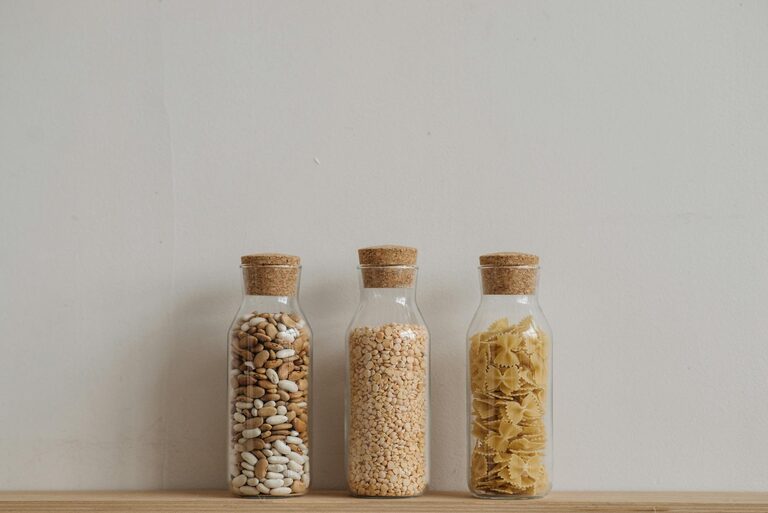
Keeping your fridge and pantry tidy can greatly improve your kitchen’s functionality and help reduce food waste. When everything has its place, you’ll spend less time searching for ingredients and more time enjoying your meals. This guide shares straightforward strategies to keep your fridge and pantry neat, organized, and efficient.
Why Keep Your Fridge and Pantry Organized?
An organized fridge and pantry make meal planning, cooking, and grocery shopping simpler. Here are some key benefits:
– Reduces food waste: When items are visible and easy to reach, you’re less likely to forget about them until they spoil.
– Saves time: No more digging through clutter to find what you need.
– Simplifies cleaning: Regular organization helps you spot spills or expired products quickly.
– Improves food safety: Proper storage of perishables minimizes the risk of contamination.
How to Organize Your Fridge
1. Clean and Declutter Regularly
Start by removing all items from your fridge. Dispose of expired or spoiled food. Give shelves and drawers a thorough wipe-down with a gentle cleaner or a mix of water and vinegar.
2. Use Clear Containers and Labels
Clear storage containers make it easy to see what you have. Label containers with contents and expiration dates to keep track and prevent waste.
3. Store Food in the Right Zones
Not all fridge areas have the same temperature. Follow these general guidelines:
– Top shelves: Ready-to-eat foods like leftovers, drinks, and snacks.
– Middle shelves: Dairy products such as milk, yogurt, and cheese.
– Lower shelves: Raw meat, poultry, and seafood—store on a plate or in sealed containers to prevent drips.
– Drawers: Use for fruits and vegetables; adjust humidity settings if your drawers allow.
– Door: Store condiments, sauces, and butter, since it’s the warmest part and not ideal for perishables like milk.
4. Keep Similar Items Together
Group items by category. For example, place all salad dressings in one container or all cheeses together. This helps maintain order and makes restocking easy.
5. Maintain an Inventory
Keep a small list on the fridge door or use an app to track what’s inside. Update as you add or use items to avoid overbuying.
How to Organize Your Pantry
1. Empty and Clean Your Pantry
Take everything out and wipe shelves with a mild cleaning solution. Check expiration dates and toss anything stale or unused.
2. Categorize Items
Sort food into groups such as baking supplies, canned goods, snacks, grains, cereals, and spices. This creates a system that is easy to maintain.
3. Invest in Storage Solutions
Containers, bins, and baskets help keep smaller items neat and prevent clutter.
– Use airtight containers for dry goods like flour, sugar, and pasta.
– Stackable bins maximize vertical space.
– Turntables (lazy Susans) are ideal for spices or small jars.
– Clear bins help you quickly see contents.
4. Label Everything
Label shelves or containers to reinforce the system and make it easier for everyone in the household to find and return items.
5. Arrange for Accessibility
Place frequently used items at eye level or front of shelves. Reserve higher or lower shelves for less-used goods.
Additional Tips to Maintain Order
– Shop with a list: Plan meals ahead and buy only what you need.
– Practice FIFO: First In, First Out—use older products before newer ones.
– Schedule regular check-ins: Once a week or month, review your fridge and pantry to tidy and restock.
– Use baskets for shopping bags: This keeps reusable bags organized and easy to grab.
– Keep snacks at kid-friendly heights: If others in your household help themselves, this prevents messes and teaching good habits.
Conclusion
Keeping your fridge and pantry tidy doesn’t have to be a chore. With simple organization methods, clear containers, and the right storage tools, you can maintain a clutter-free kitchen that saves you time and money. Start with one area, stay consistent, and enjoy the benefits of a well-organized food space.
—
Remember, the key to a tidy fridge and pantry is regular upkeep and thoughtful storage. These small habits add up to a big difference in your kitchen’s functionality and your overall cooking experience.